
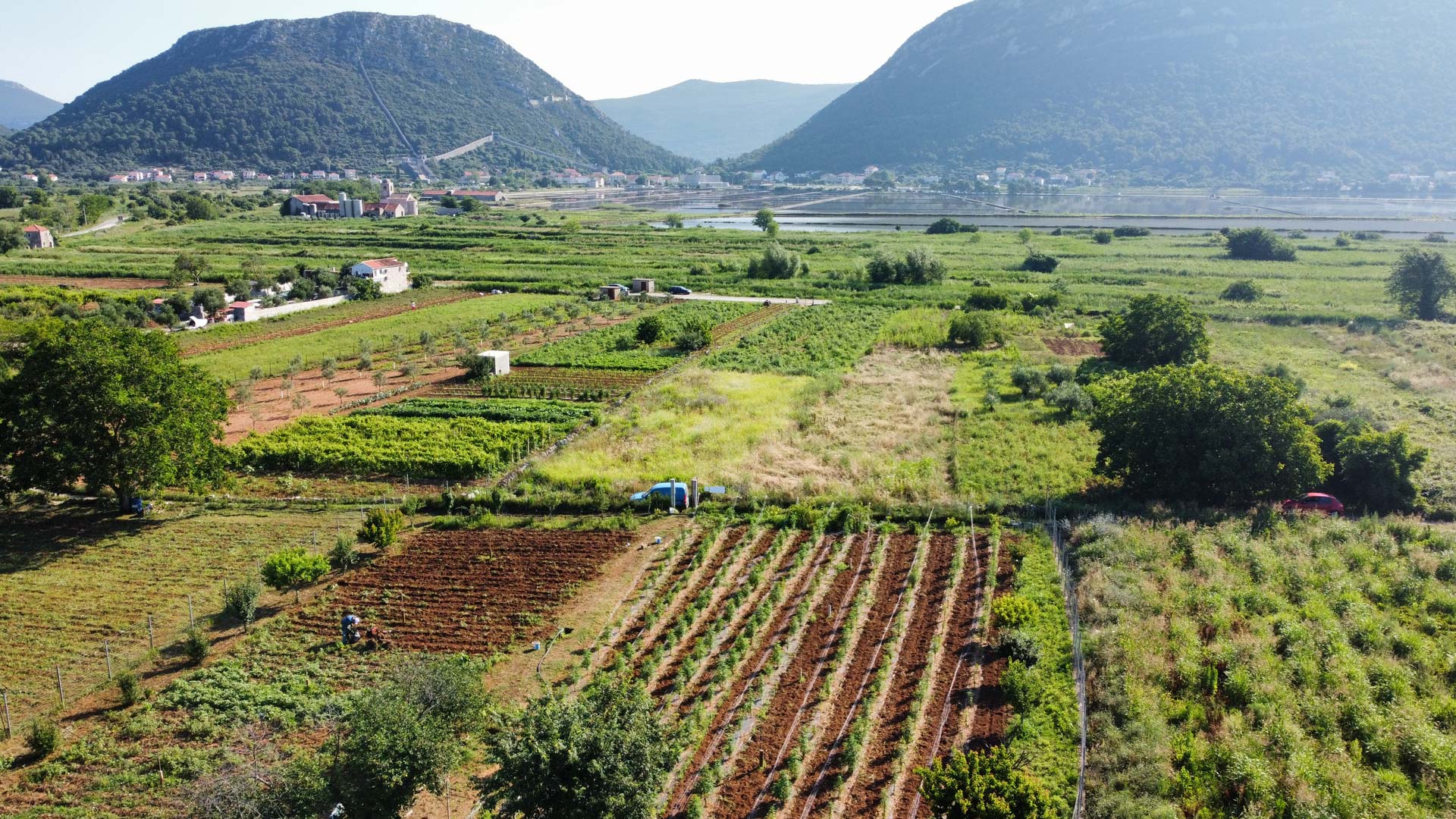
The Peljesac Peninsula in Croatia is a unique piece of land that’s very fertile and historic. In the 1400s, the peninsula was part of the Republic of Ragusa, now known as Dubrovnik. People living on this peninsula have been following their own traditions for hundreds of years. For example, they still speak their own language, called Ragusan Croatian (also called Dubrovnik Croatian).
There are not many peninsulas on this earth so historic, unique, fertile, and giving as the Peljesac Peninsula in Croatia. Part of the geography of Old Republic of Croatia (Ragusa) the agro heavy peninsula and other unique features still keep close with past traditions today. Ragusan history goes back to the 14th century. In the 15th century, Venice tried to conquer it several times, but Ragusa always stood tall.
The Ragusa Republic’s economy was wildly successful, and it was even the first state to have formal registration of businesses. It’s fun to learn that the Republic had a positive business climate, too. Slavery was common all over Europe during the Middle Ages, as it had been throughout history. Ragusa abolished slavery in 1416! On the morning of April 6, 1667, a massive earthquake hit Ragusa, destroying three-quarters of its buildings. The city bounced back, and because of its diligent reconstruction efforts, it is now one of the most important historical sites in Europe. Although a natural disaster devastated the city, it couldn’t shake its legacy.
Dubrovnik is the center of the Old Republic. During its tumultuous history, many nations and maritime forces met in this area: the Byzantines, Saracens, Croats, Normans, Venetians, small princedoms and kingdoms, and the Austro-Hungarian state. Then came the Roman-Germanic Empire, the Hapsburgs and Napoleonic empires. In the midst of these dividing lines, a small city such as Dubrovnik flourished.
Take a Green Republic tour and walk, hike, or bike the famous Napoleon roads. The Napoleon roads in southern Croatia were useful because they were strategically built to connect key towns and ports, making it easier for Napoleon’s troops to move quickly and efficiently across the rugged terrain. These roads were also essential for trade and commerce, providing a reliable route for goods to be transported between different regions. Today, the Napoleon roads serve as popular tourist routes, offering visitors a glimpse into the area’s fascinating history and stunning natural landscapes. Book your experience today.